
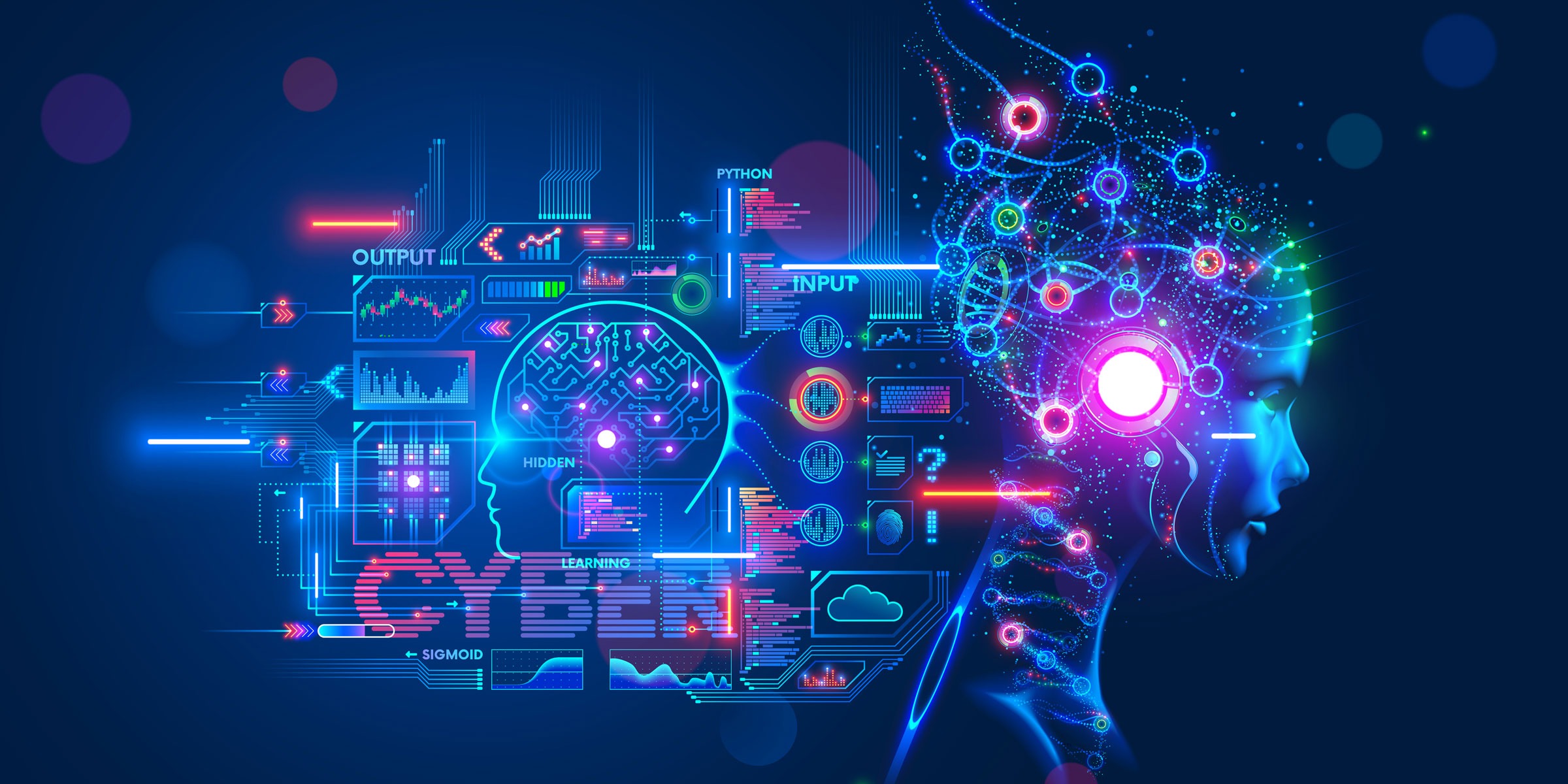
The Future of AI: Trends to Watch in 2025
Over the last few years, we have been observing the effects Artificial Intelligence (AI) can have, both negative and positive. Expectations indicate that AI technologies are set to transform and expand industries, economies, and societies. In 2025, these technologies will not only help with the automation processes, but also bring forth new ethical queries and developments in workplaces. These technologies will challenge and transform AI policy and usage around the world. Allow us to further explain: The major AI trends of 2025.
1. The Rise of Generative AI
In 2025, generative AI such as GPT (Generative Pre-trained Transformers) and DALL·E are gaining momentum at an incredible pace. These technologies can generate content — text, images, music and even video — with minimal prompts from users. This leads us to expect that, in future, we’ll see yet further capabilities imbuing generative AI and coming up with even more creative and complex outputs.
- Applications in Content Creation and Design
AI-generated content will be a must-have for any business that is focused on marketing, design, and media. Think about automating blog posts, advertisements, social media posts, and even product designs while sitting back and relaxing. With the usage of generative AI, firms will spend far less money and time while creating incredibly tailored content for their audiences. - Advancements in Personalized Learning
AI will further transform education as well. AI-driven models of personalized learning experiences will enable students and working professionals to have distinctive learning experiences that align with their needs, enabling them to reach their desired destination. By 2025, we’ll see AI-driven lesson plans, interactive learning environments, and tutoring systems that adapt to individual learners.
2. AI-Powered Automation in Industries
The mention of Automation had started a few years back but by 2025, it will become the norm for most industries. Repetitive work will become much easier and more streamlined with AI powered robots and software that automate most processes.
- Automation in Manufacturing
In the manufacturing world, tasks like assembling, maintaining, and quality control will be handled by robots powered with AI technology. These innovations will lower production costs, boost output, and improve accuracy. Moreover, AI will assist firms in estimating demand and managing production cycles to optimize their supply chains. - AI in Healthcare
AI is already shaking up healthcare, but by 2025, it will have a much larger role in diagnosis, treatment and patient care. Medical data will be analyzed via machine-learning models to assist physicians in making quicker and better decisions. Surgeries may also heck, be assisted by AI-powered robots which would minimize chances of human error and provide a faster recovery time for those involved. - AI in Customer Service
AI-powered chatbots are already taking many customer service jobs, and this trend will continue. When asked by an analyst where he sees artificial intelligence in 2025, the “futurist” answered that artificial intelligence systems will have passed Turing Test, meaning they will be able to respond to complex questions from customers just as quickly and accurately as a human representative, only available 24 hours, 7 days a week. Accountants and financial professionals will also utilize chatbots to become more lifelike and interactive, be it through the ability to understand customers or with the ability to be empathetic to customers in order to provide better user experiences.
3. AI and Ethical Considerations
With the rapid development of AI technologies, the discussions surrounding ethics will be more important. Discussions on privacy, bias, and responsibility indeed require deliberation to ensure the proper use of AI technologies.
- Privacy and Data Protection
Today, as AI continues to develop, enormous amounts of private information is kept and processed. By 2025, this issue will need more precise privacy regulations. Special steps will need to be taken by the government and organizations to make sure that AI systems deal with data in a correct manner and respect the privacy of clients. - Addressing Bias in AI
Generally speaking, AI systems are as good as the data they are trained on. However, when some data about past human behavior is biased, any AI model trained on that data will also be biased that can have dire consequences, especially in hiring, law enforcement & healthcare. Still in 2025, we will see attempts from various organizations to mitigate and even eradicate bias in the machine learning algorithms by ensuring the data being fed to algorithms is better, and the algorithms themselves are more transparent. - AI Accountability
Responsibility will become an important consideration as AI systems get more automated. For instance, who is accountable when self-governing AI systems make blunders? By the year 2025, we should expect the establishment of laws and policies regarding AI accountability, where humans ensure supervision over critical choices.
4. AI in the Workplace: Redefining Jobs and Roles
The workforce will be one of the areas that AI will impact most in 2025. And though AI will inevitably replace some jobs, it will also create new jobs and change existing ones.
- The Role of Humans and AI Collaboration
AI will not take over human beings but supplement human capabilities. AI will also aid professionals as it will perform repetitive tasks, helping them to attend to more sophisticated and strategic work in sectors like healthcare, finance, and education. The future will see human-computer partnerships creating value faster, worker productivity up, and solutions become more original. - New Jobs in AI Development
The need for AI experts will only continue to increase. The year 2025 will mark the advent of even more AI-related job opportunities, such as machine learning engineers, data scientists, business intelligence developers, chatbot developers, AI ethicists and so on. With the increasing proliferation of AI into companies and a constant activity of our life, there will be a demand for specialists who would be able to create, apply, and support these systems. - AI and Job Displacement
AI will also create new roles while displacing job opportunities in some sectors. AI systems may replace routine jobs, especially in manufacturing and customer service. Nevertheless, workers can transition to new roles with programs that will retrain and upskill individuals; the workforce will change along with the technology.
5. The Integration of AI in Everyday Life
The presence of AI in consumer electronics will increasingly become a part of our everyday lives. AI will become an integral part of our lives — from smart homes to personalized recommendations.
- AI in Smart Homes
Smart home devices will be more intelligent and interconnected in 2025. Home automation will be elevated to a whole new sphere, with AI-driven voice assistants, security systems, and energy management devices using machine learning to understand user habits and fine-tune adjustments to floorspace, light, and energy consumption as needed. - AI in Transportation
Self-driving cars are anticipated to become more common by the year 2025. AI drivers will usher in a new era of self-driving cars, trucks, and drones. Not only will these vehicles improve safety, but they will also reduce traffic and emissions. - AI in Entertainment
Increased use of AI in personalized entertainment experiences AI will also be used by streaming platforms such as Netflix and Spotify to recommend content tailored each user’s individual tastes, and more music, movies, and games generated by AI.
6. The Role of AI in Sustainability
In view of environmental degradation, AI will become an important tool to handle sustainability problems. In 2025, AI will optimize energy usage, waste will decrease through AI monitoring of climate change.
- AI in Climate Change Research
Climate change is that phenomenon — AI can process large amounts of climate data to forecast the weather, monitor pollution, and formulate ways to alleviate climate change. By 2025, AI will be a powerful ally in the fight to save the environment. - AI in Renewable Energy
Artificial intelligence will help create and enhance renewable energy. AI will minimize the dependence on fossil fuels and increase the use of sustainable energy through improving the energy efficiency and predicting energy demand.
Conclusion: Embracing the Future of AI
With this first analysis, we will see the potential of AI nearing 2025. Generative AI, automation, ethical considerations, AI will continue to transform industries and our everyday life. The challenge ahead lies in framing meaningful laws and policies to guide next-generation AI into a realm that captures its unimaginable promise while minimizing the impact of the associated risks.
Staying informed about these trends and adapting to the changing landscape will help businesses and individuals to prosper in the AI-powered world of tomorrow.